





Uneven Heating or Cooling in Orlando – Get Your Home Temperature Back in Balance

Stop fighting hot and cold spots room to room. Summit HVAC Orlando diagnoses the real cause of your home temperature imbalance and fixes uneven heating or cooling with precision airflow solutions built for Florida homes.

Slider Image 1
Slider Image 2
Slider Image 3
Slider Image 4
Slider Image 5
Slider Image 7
Slider Image 8
Slider Image 9
Slider Image 10
Slider Image 11

Why Orlando Homes Struggle with Hot and Cold Spots

You walk from your bedroom into the living room and feel a ten-degree difference. One side of the house stays stuffy while the other freezes. Your thermostat reads 72, but different temperatures in each room tell a different story.

This is not normal. This is not something you need to live with.

Orlando's climate creates specific challenges for consistent indoor comfort. High humidity loads stress AC systems differently than dry climates. When your HVAC system cannot balance airflow distribution across zones, moisture settles unevenly. You get hot and cold spots that make sleeping uncomfortable and energy bills unpredictable.

Inconsistent room temperatures usually trace back to ductwork problems, undersized equipment, or blocked return air pathways. In older Orlando neighborhoods near Lake Eola and College Park, original duct systems were never designed for modern AC capacity. Leaky ducts hidden in attics lose 20 to 30 percent of conditioned air before it reaches your rooms. That lost air creates pressure imbalances that pull unconditioned attic air into your living space.

Home temperature imbalance also happens when return vents get blocked by furniture or when supply registers close in unused rooms. Closing vents does not save energy. It disrupts static pressure and forces your system to work harder, creating more uneven airflow distribution.

You deserve comfort in every corner of your home. Uneven heating or cooling is a diagnostic problem, not a thermostat problem. Summit HVAC Orlando finds the root cause and restores balance so every room feels the way it should.

Why Orlando Homes Struggle with Hot and Cold Spots
How We Diagnose and Fix Uneven Airflow Distribution

How We Diagnose and Fix Uneven Airflow Distribution

We do not guess. We measure.

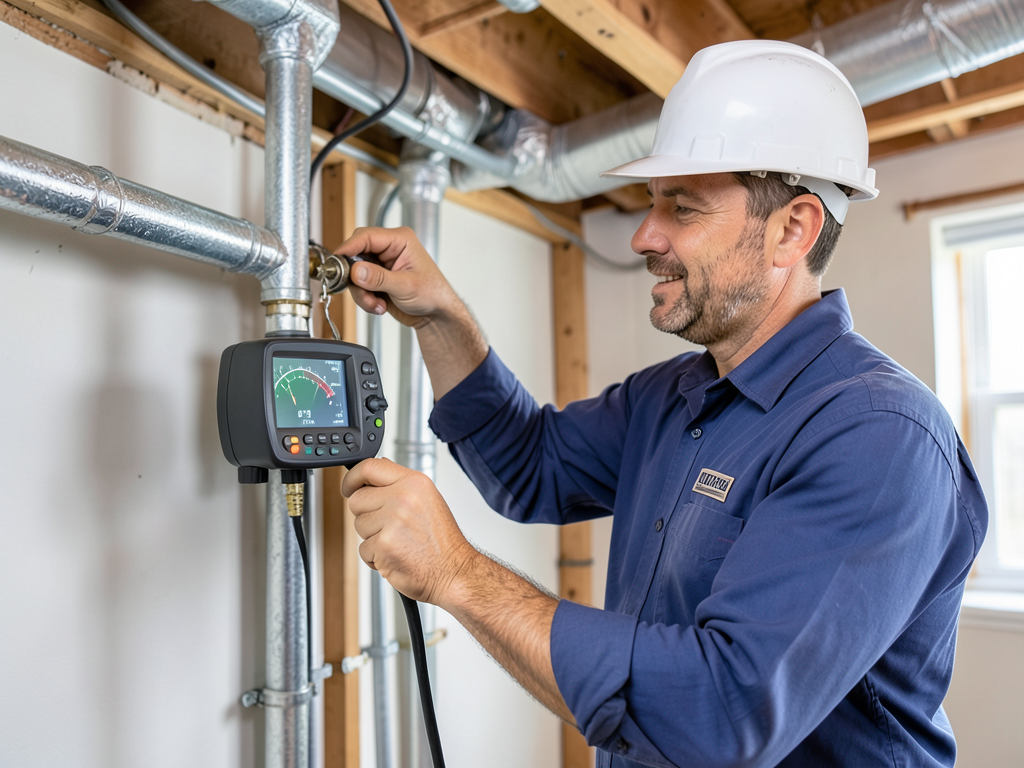
Fixing inconsistent room temperatures starts with a complete airflow assessment. We use digital manometers to measure static pressure across your duct system. High static pressure means your blower motor fights restriction. Low static pressure means duct leaks rob airflow before it reaches your rooms. Both create hot and cold spots.

Next, we inspect every supply register and return grille. We measure CFM output at each register to see if airflow matches your system design. A bedroom rated for 120 CFM that only gets 60 CFM will always feel stuffy. A living room getting 200 CFM when it needs 150 CFM will feel drafty and cold.

We check duct insulation in your attic. Orlando attics reach 140 degrees in summer. Uninsulated or poorly sealed ducts lose temperature fast. By the time air travels 30 feet through a hot attic, it warms up before reaching your bedroom. That creates uneven heating or cooling that no thermostat adjustment can fix.

We also evaluate your zoning setup if you have one. Many homes in Baldwin Park and Avalon Park use multi-zone systems with motorized dampers. When dampers fail or get miscalibrated, entire zones lose proper airflow. We verify damper function and recalibrate zone controls to match occupancy patterns.

After diagnostics, we solve the problem at the source. Duct sealing with mastic paste stops leaks. Balancing dampers fine-tune airflow to each room. Upgrading to a variable-speed blower improves air distribution and humidity control. If your system is undersized or your ductwork is beyond repair, we will tell you exactly what replacement looks like and why it solves your home temperature imbalance for good.

What Happens When You Call Us About Temperature Imbalance

Uneven Heating or Cooling in Orlando – Get Your Home Temperature Back in Balance
01

System Performance Evaluation

We start by running your system through a full cycle while measuring temperature differentials between rooms. We check airflow at every register, inspect your air handler, and test static pressure across the blower cabinet. This tells us if your problem is equipment-based, duct-based, or control-based. You get a clear explanation of what we find and what it means for comfort.
02

Duct and Airflow Testing

We inspect accessible ductwork for leaks, disconnections, and insulation failures. Using a blower door test if needed, we measure total duct leakage and identify which sections lose the most air. We also check damper positions, return air pathways, and filter restrictions. This step reveals hidden problems that cause uneven airflow distribution and wasted energy across your Orlando home.
03

Precision Repair and Rebalancing

We seal duct leaks, adjust balancing dampers, and recalibrate zone controls to restore even airflow. If equipment upgrades are necessary, we walk you through options that fit your home layout and budget. After repairs, we retest airflow at every register and verify consistent temperatures across all rooms. You feel the difference immediately, and your energy bills reflect the efficiency gains.

Why Orlando Homeowners Trust Summit HVAC for Temperature Balance Issues

Orlando homes are different. Construction styles vary from 1950s block homes in Delaney Park to new builds in Lake Nona. Ductwork configurations change based on whether your home has a slab foundation or raised construction. One-size-fits-all solutions do not work here.

Summit HVAC Orlando understands local building practices and the HVAC challenges they create. We have worked in every Orlando neighborhood and know which homes have duct systems running through vented attics versus sealed attics. We know which subdivisions used flexible duct that sags over time and which used rigid metal duct that holds up better but leaks at seams.

We also understand Florida's energy code requirements. When we recommend duct modifications or system upgrades, we ensure compliance with the latest efficiency standards. That protects your investment and ensures any future home sale or appraisal goes smoothly.

You will not get a generic diagnosis from us. We do not walk in, look at your thermostat, and tell you to replace your system. We test, measure, and verify before recommending anything. If your problem can be solved with duct sealing and balancing, we will tell you. If your system is undersized for your square footage and no amount of duct work will fix it, we will tell you that too.

Local expertise matters when diagnosing inconsistent room temperatures. We have seen how Orlando's humidity affects airflow, how attic heat impacts duct performance, and how poor installation practices from the building boom created temperature problems that homeowners live with for years. We fix those problems the right way so you get comfort in every room without overpaying for unnecessary equipment.

What You Can Expect from Our Uneven Heating and Cooling Service

Fast Scheduling and Prompt Arrival

We know living with hot and cold spots wears you down. You should not wait two weeks for someone to look at your system. We offer same-day and next-day appointments for temperature balance issues. When we give you a service window, we show up on time. Our technicians call ahead so you know exactly when to expect us. Most diagnostic visits take 60 to 90 minutes, depending on your home size and duct accessibility.

Thorough Diagnostic Process

We do not rush diagnostics. Our technicians measure airflow, static pressure, and temperature differentials across your entire system. We inspect ductwork in the attic, check damper operation, and verify your thermostat controls function correctly. You get a written report explaining what we found, what caused your home temperature imbalance, and what fixes will restore even heating and cooling. We answer your questions in plain language so you understand the problem and the solution.

Proven Results You Can Feel

After we complete repairs, you will notice the difference immediately. Rooms that used to feel stuffy will cool down evenly. Spaces that stayed cold will warm up to match the rest of your home. We verify our work by retesting airflow and temperature at every register before we leave. You get consistent comfort in every room, lower energy bills from improved efficiency, and a system that runs quieter because it is no longer fighting pressure imbalances.

Ongoing Support and Maintenance

Uneven airflow often returns if underlying maintenance issues go unaddressed. We offer preventive maintenance plans that include seasonal tune-ups, filter changes, and airflow verification. Regular maintenance catches minor issues before they create new hot and cold spots. If you ever notice temperature imbalance returning after our service, we come back and make it right. Our goal is long-term comfort, not short-term fixes that fail six months later.

Frequently Asked Questions

You Have Questions,
We Have Answers

Is uneven heating normal? +

No, uneven heating is not normal. It signals a problem with your HVAC system, ductwork, or home insulation. In Orlando, high humidity and constant AC use can worsen duct leaks or compressor issues, creating hot and cold spots. Common causes include blocked vents, dirty air filters, undersized equipment, or poor duct design. You might also have a thermostat placement issue or closed dampers. A properly functioning system should maintain consistent temperature across all rooms. If you notice persistent uneven heating or cooling, schedule a diagnostic. Ignoring it wastes energy and drives up your utility bills.

Is 70 heat the same as 70 cool? +

No, 70 degrees heat feels different than 70 degrees cool. Heating systems warm air and raise humidity slightly, making 70 degrees feel comfortable in winter. Cooling systems remove humidity while lowering temperature, so 70 degrees feels cooler and drier in summer. In Orlando, where humidity stays high year-round, your AC works harder to dehumidify. This makes the same thermostat setting feel colder during cooling mode. Your body also radiates heat differently depending on season and activity level. The perceived comfort at any given temperature changes based on humidity, airflow, and whether you are heating or cooling.

How do you fix a house temperature imbalance? +

Start by checking air filters and replacing them if dirty. Inspect all vents and registers to confirm they are open and unblocked by furniture. In Orlando homes, duct leaks in attics or crawl spaces are common culprits due to age and humidity damage. You may need a professional duct inspection and sealing. Consider adding dampers to balance airflow between rooms or installing a zoning system for multi-story homes. Poor insulation in attics lets heat infiltrate during summer. If your system is undersized or aging, replacement may be necessary. A diagnostic visit identifies the root cause quickly.

What is the $5000 rule for HVAC? +

The $5,000 rule is a guideline for deciding between HVAC repair and replacement. Multiply the age of your system by the repair cost estimate. If the total exceeds $5,000, replacement makes more financial sense. For example, if your 12-year-old unit needs a $500 repair, you get $6,000, which suggests replacing it. In Orlando, constant AC use shortens equipment lifespan. Systems older than 10 years often face cascading failures. This rule helps you avoid pouring money into aging equipment. Always get a second opinion and compare energy savings from newer, efficient models.

Why is half my house hot and half cold? +

This happens when your HVAC system cannot distribute air evenly. In Orlando homes, poor duct design or leaky ductwork in unconditioned attics is the main cause. Hot air from the attic infiltrates ducts, warming half your house before conditioned air arrives. You might also have a zoning issue, where one thermostat controls multiple floors or wings. Blocked return vents, dirty coils, or an undersized AC unit worsen the problem. Two-story homes face natural stratification, where heat rises. Adding duct sealing, balancing dampers, or a zoning system usually solves this frustrating issue.

Do I need a plumber to balance my radiators? +

No, you do not need a plumber to balance radiators if you have a forced-air HVAC system, which is standard in Orlando. Radiators are rare here due to the cooling-focused climate. If you do have a boiler system with radiators, balancing involves adjusting valves to control water flow. This is an HVAC task, not plumbing. Most Orlando homes use central air conditioning with ductwork. Balancing airflow requires adjusting dampers in ducts or modifying register placement. An HVAC technician handles this work. If you have radiant floor heating, that also falls under HVAC, not plumbing.

What is the 3 minute rule for AC? +

The 3-minute rule prevents short cycling, which damages your compressor. After your AC shuts off, wait at least three minutes before restarting it. This allows refrigerant pressure to equalize in the system. Restarting too quickly forces the compressor to work against high pressure, causing overheating and premature failure. In Orlando, where AC units run almost daily, this rule matters. Modern thermostats include built-in delay timers to protect the compressor. If your system short cycles often, you may have a faulty thermostat, refrigerant leak, or oversized unit. Frequent cycling also spikes your electric bill.

Why does my house feel cold at 73 in winter? +

Your house feels cold at 73 degrees in winter because of radiant heat loss and lower humidity. In Orlando, winter temperatures drop at night, cooling exterior walls and windows. Your body radiates heat toward these cold surfaces, making you feel chilly even when air temperature is 73 degrees. Heating systems also produce drier air, which feels cooler. Poor insulation or drafty windows worsen the effect. Adding humidity with a humidifier or increasing the thermostat to 75 degrees helps. Check weatherstripping around doors and windows. Ceiling fans should run clockwise in winter to push warm air down.

How long should it take to cool a house from 78 to 74? +

A properly sized AC system in Orlando should cool a house from 78 to 74 degrees in 15 to 30 minutes under normal conditions. Larger homes or poorly insulated spaces take longer. High outdoor temperatures, humidity, or direct sun exposure slow the process. If cooling takes over an hour, your system may be undersized, low on refrigerant, or have dirty coils. Duct leaks also rob cooling capacity. Thermostat placement matters too. If located near a heat source, it gives false readings. A sluggish system wastes energy and signals the need for professional inspection.

What are the signs of a poorly insulated house? +

Signs of poor insulation include uneven room temperatures, high energy bills, and drafts near windows or doors. In Orlando, attics without proper insulation let heat penetrate your living space, forcing your AC to run constantly. You might notice ice dams or moisture stains in winter climates, but here, focus on hot ceilings or walls during summer. Cold floors in winter also indicate gaps. Your HVAC system cycles frequently because it cannot maintain setpoint. Pest intrusion through gaps is another clue. An energy audit identifies weak points. Adding attic insulation and sealing air leaks cuts cooling costs significantly.

How Orlando's Humidity and Attic Heat Amplify Uneven Cooling Problems

Orlando's 75 percent average humidity and 140-degree summer attics create a brutal environment for duct systems. When supply ducts run through unconditioned attic space, radiant heat penetrates thin duct insulation and warms the air inside before it reaches your rooms. That temperature gain creates uneven cooling because distant rooms get warmer air than rooms closer to the air handler. Humidity also increases static pressure in duct systems when moisture collects on interior duct surfaces. This slows airflow and creates inconsistent room temperatures that feel worse than the thermostat reading suggests.

Choosing a local HVAC company in Orlando means working with technicians who understand how Florida-specific conditions affect system performance. We know which duct materials hold up in high humidity, which insulation types prevent condensation, and how to balance airflow in homes with open floor plans common to newer Orlando construction. National chains send techs trained on generic systems. We send techs who have solved uneven heating and cooling problems in thousands of Orlando homes just like yours.
HVAC Services in The Orlando Area

Summit proudly serves Orlando and surrounding Central Florida areas with fast, professional HVAC services. Whether you're in the heart of the city or in nearby neighborhoods, our technicians are just a call away. Use the map below to view our service area and plan your visit or consultation. We make it convenient to get expert help where and when you need it. Your comfort is always within reach with Summit.

Address:
Summit HVAC Orlando, 4700 Millenia BlvdOrlando, Orlando, FL, 32839

Additional Services We Offer

Our news updates

Latest Articles & News from The Blogs

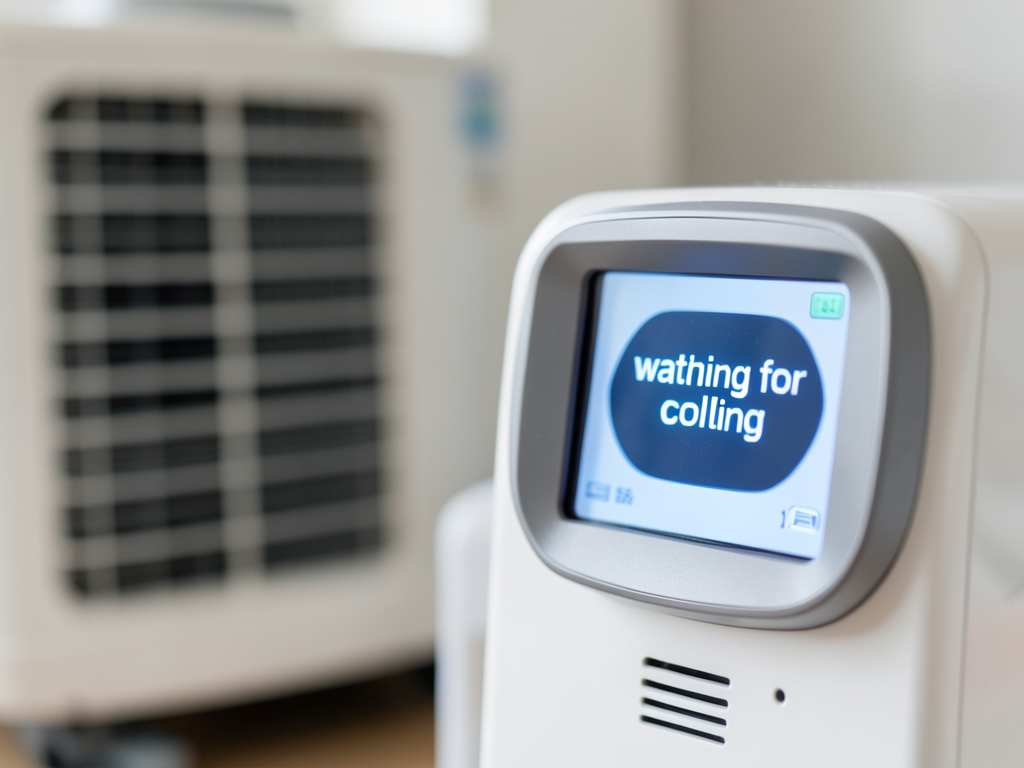
What to do if your St. Cloud thermostat says waiting for more than five minutes Your thermostat displays 'waiting for…

What to do if your St. Cloud thermostat says waiting for more than five minutes

What to do if your St. Cloud thermostat says waiting for more than five minutes Your thermostat displays 'waiting for…

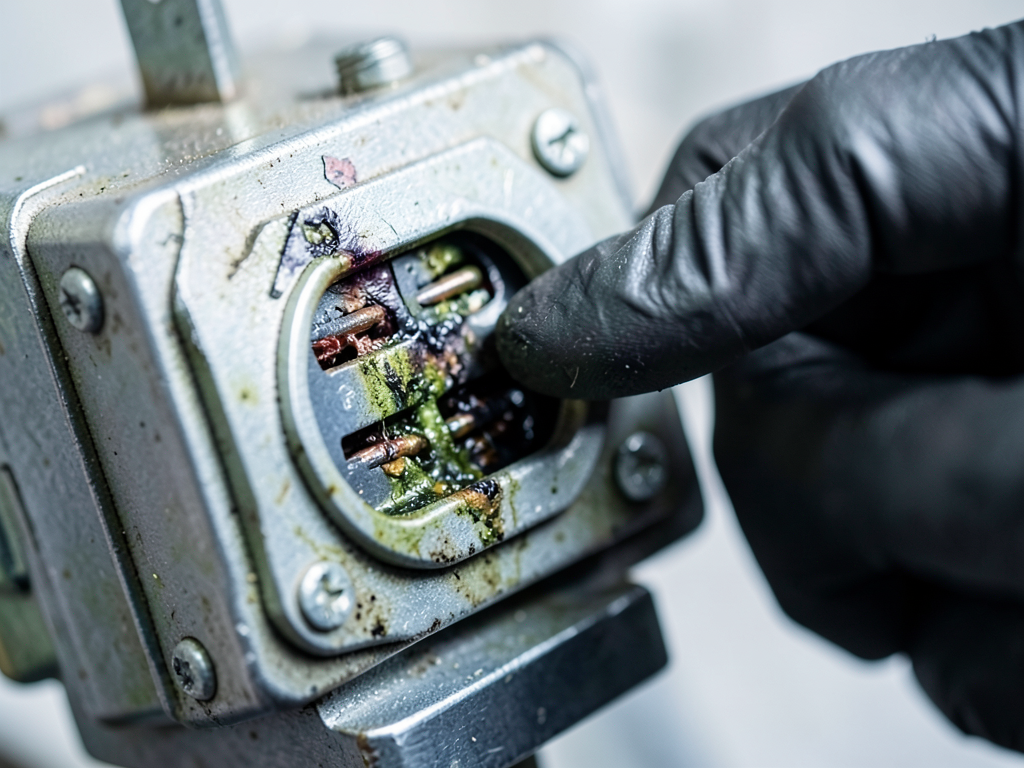
What it means when your Ocoee cooling system starts making a loud clicking sound

What it means when your Ocoee cooling system starts making a loud clicking sound Your outdoor AC unit should hum…

How to tell if your Celebration home builder installed the right size ductwork

How to tell if your Celebration home builder installed the right size ductwork Your Celebration home should feel comfortable year-round.…

Contact Us

You deserve consistent comfort in every room. Call Summit HVAC Orlando today at (321) 463-7979 to schedule your airflow diagnostic. We will find the cause of your temperature imbalance and fix it right the first time.