



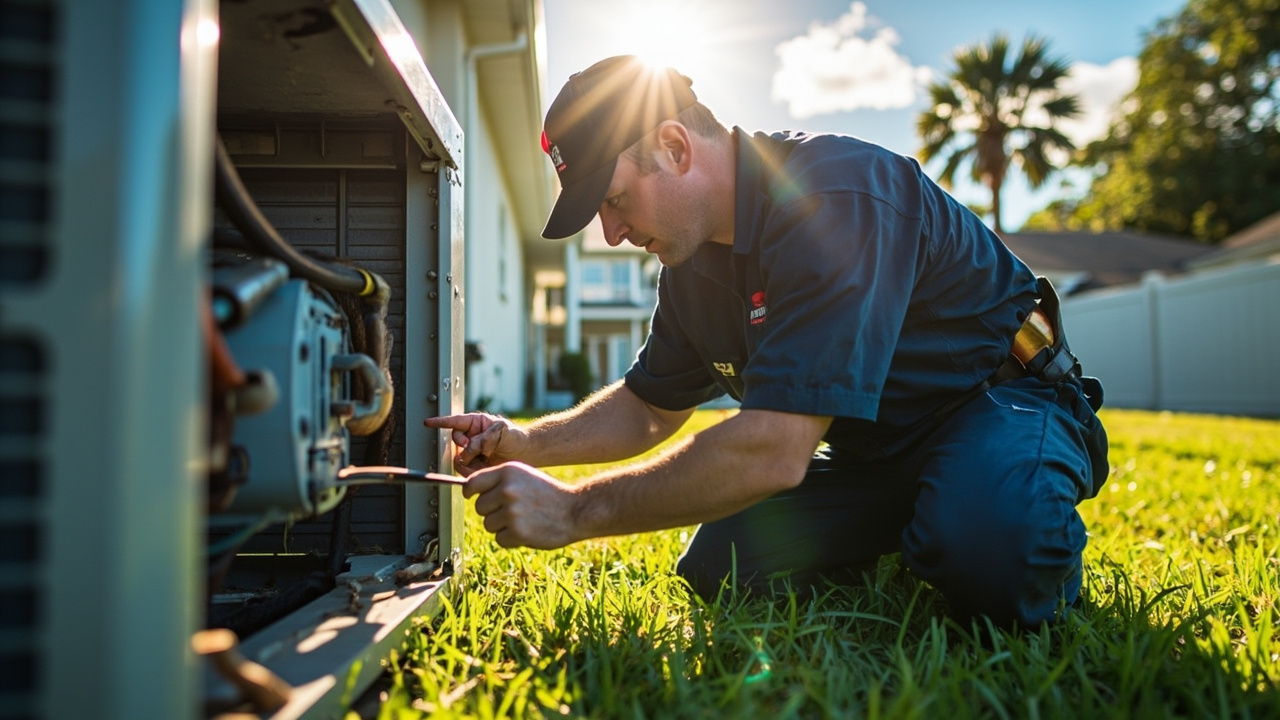
Outdoor Unit Not Spinning in Orlando – Fast Diagnosis and Repair When Your AC Stops Working

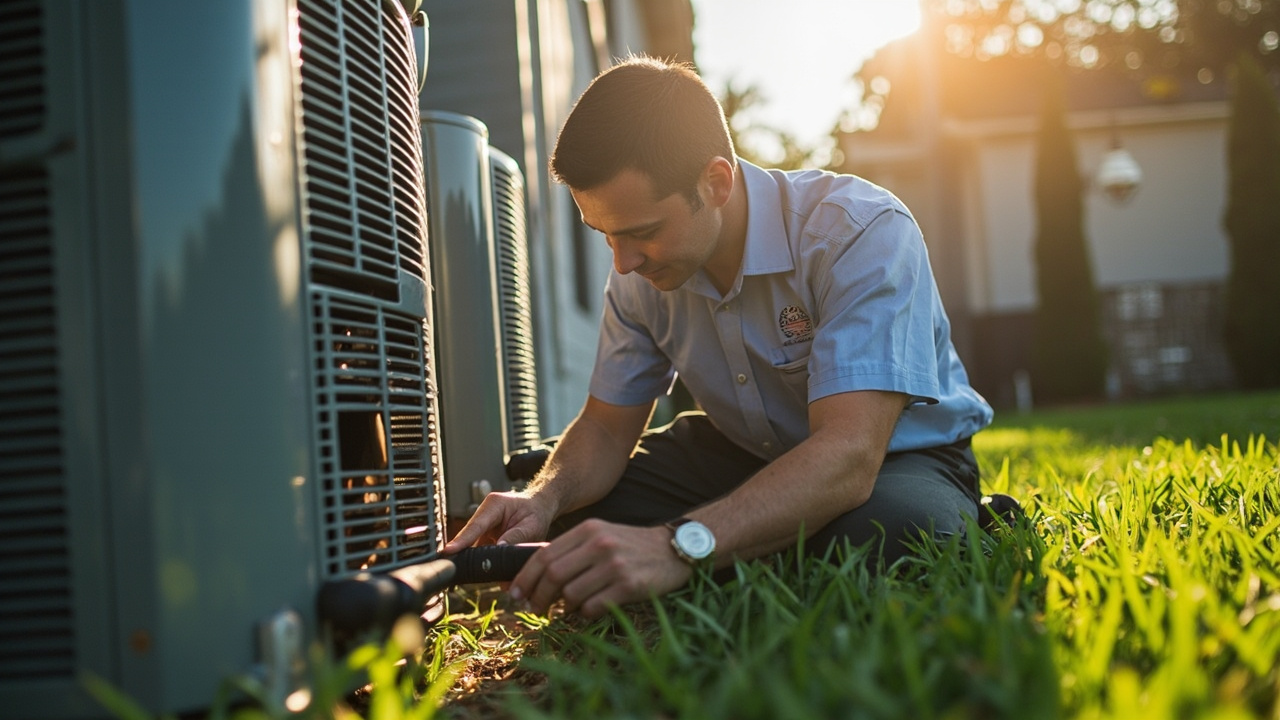
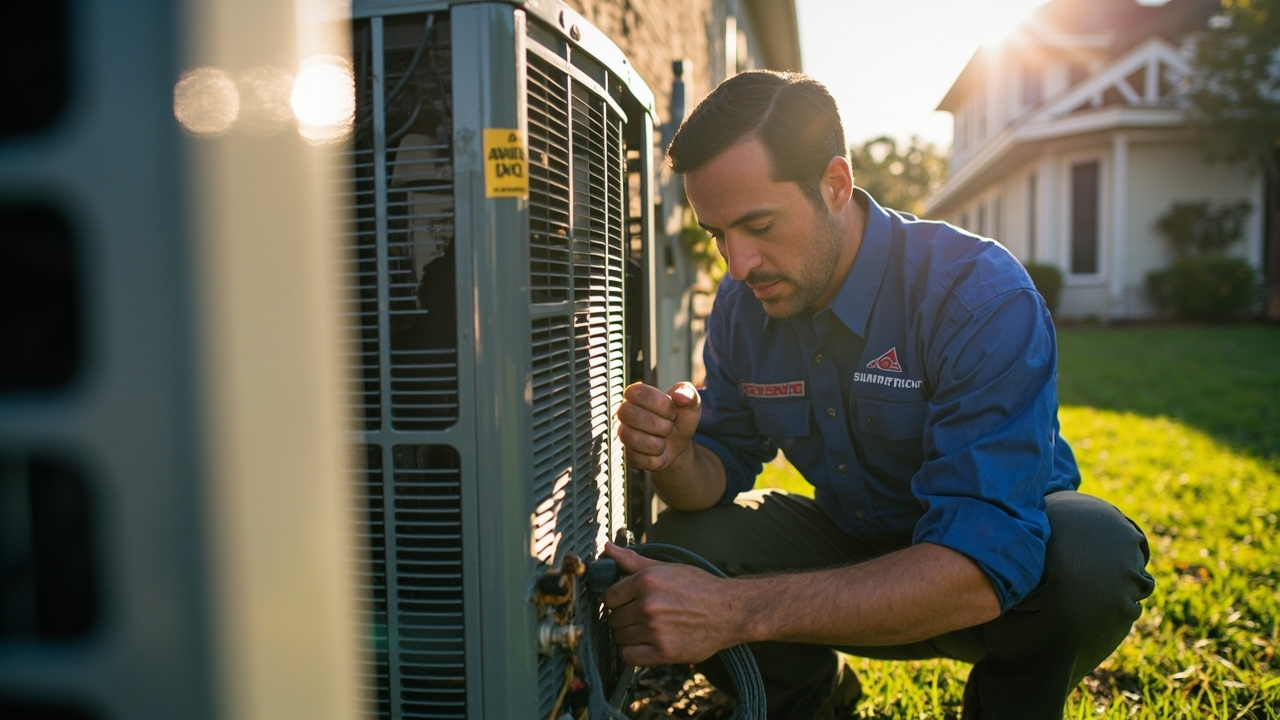
When your air conditioner outdoor fan not running leaves you sweating in Central Florida heat, Summit HVAC Orlando diagnoses the real problem behind your outdoor unit not spinning and restores cool air fast.

Slider Image 1
Slider Image 2
Slider Image 3
Slider Image 4
Slider Image 5
Slider Image 7
Slider Image 8
Slider Image 9
Slider Image 10
Slider Image 11

Why Your AC Condenser Fan Stopped in Orlando's Brutal Climate

You walk outside and notice your outdoor unit sitting silent. No hum. No spin. Just dead air while your indoor temperature climbs.

When your outside AC fan not turning happens in Orlando, you are fighting against time. Our climate demands constant AC operation from March through November. Average summer temperatures hover around 92 degrees with humidity pushing 75 percent. Your system runs harder and longer than units in almost any other region.

This constant workload creates specific failure points. Capacitors degrade faster in heat and humidity. Contactor points pit and corrode from the electrical load combined with moisture exposure. Fan motors overheat when coils get clogged with oak pollen, pine needles, and the fine sand that blows through Central Florida neighborhoods.

The condenser fan not spinning often signals a capacitor failure. This small cylindrical component stores the electrical charge needed to start your fan motor. Orlando's heat accelerates capacitor degradation. A failed capacitor means zero airflow across your condenser coil. Your compressor continues running without proper heat dissipation. Refrigerant temperatures spike. Internal pressures climb beyond safe limits.

You might hear your compressor struggling to start. You might notice the contactor clicking repeatedly. The AC condenser fan not working creates a cascade effect that damages expensive components within hours. Your outdoor coil cannot release heat. Your compressor works against impossible conditions. What starts as a simple fan problem becomes a complete system failure.

The air conditioner outdoor fan not running also signals potential motor burnout, failed contactors, or control board issues. These problems do not fix themselves. They worsen every time you reset the breaker and try again.

Why Your AC Condenser Fan Stopped in Orlando's Brutal Climate
How We Fix Your Outdoor Unit Fan and Prevent Future Failures

How We Fix Your Outdoor Unit Fan and Prevent Future Failures

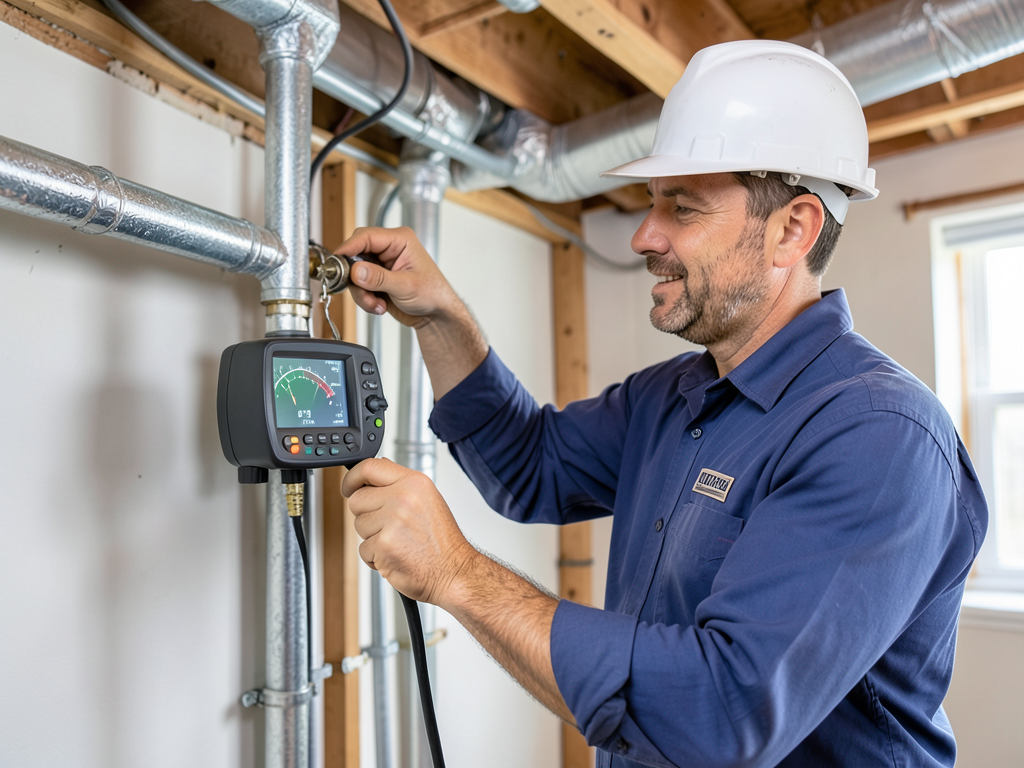
We start with electrical diagnostics because the outdoor unit fan stopped for a reason. Our technicians test capacitor microfarad ratings against manufacturer specifications. A dual run capacitor serving both your compressor and fan motor must deliver precise values. Even a 10 percent deviation causes operational problems.

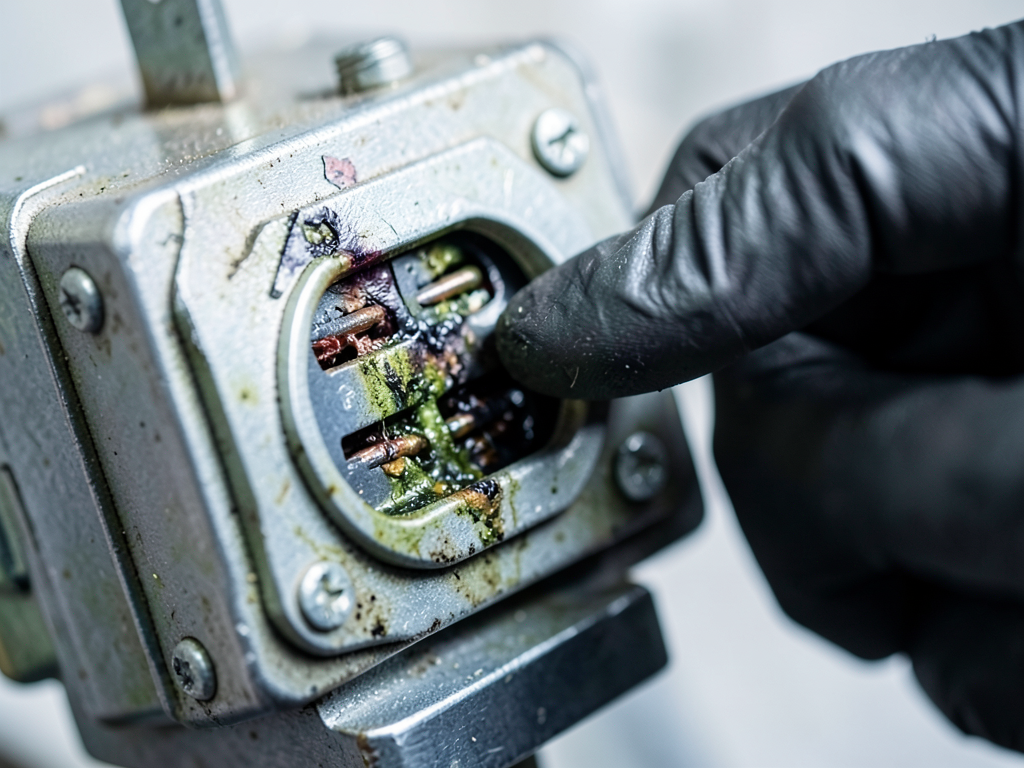
We measure voltage at the contactor to verify consistent power delivery. Contactors handle significant electrical loads in Orlando's demanding climate. Pitted contacts create resistance. Resistance generates heat. Heat accelerates wear. We check for voltage drop across contactor terminals and inspect for carbon scoring on contact surfaces.

Motor diagnostics follow electrical testing. We measure resistance across motor windings to detect partial shorts or opens. We spin the fan blade manually to check bearing condition. A seized bearing or damaged shaft prevents rotation even when electrical components function correctly. We inspect the fan blade itself for cracks, warping, or balance issues that create excessive vibration and premature motor failure.

The condenser coil gets inspected because a clogged coil forces your fan motor to work harder. Orlando's environment fills coils with cottonwood seeds, oak tassels, grass clippings, and construction dust. A restricted coil reduces airflow. Reduced airflow increases head pressure. Higher pressure stresses every component in your refrigeration circuit.

We clean coils with appropriate chemicals and pressure settings. Too much pressure bends fins. Bent fins restrict airflow. We straighten damaged fins and verify unrestricted air movement through the entire coil surface.

After repairs, we verify amp draw on the fan motor under load. We measure capacitor performance under actual operating conditions. We check refrigerant pressures to confirm proper heat rejection. These verification steps ensure your outdoor unit not spinning becomes a solved problem instead of a recurring nightmare.

What Happens When You Call About Your Fan Problem

Outdoor Unit Not Spinning in Orlando – Fast Diagnosis and Repair When Your AC Stops Working
01

Emergency Dispatch and Arrival

You call (321) 463-7979 and speak directly with our dispatch team. We collect details about when the fan stopped and what symptoms you noticed. You get a clear arrival window, usually within two hours for emergency calls. Our technician arrives with a fully stocked van containing common capacitors, contactors, and fan motors that fit most residential systems in the Orlando area. No waiting days for parts orders.
02

Complete System Diagnostics

The technician performs electrical testing at the disconnect, contactor, capacitor, and motor. We check voltage, amperage, and resistance values. We inspect physical components for damage, corrosion, or wear. We test run the system if safe to identify intermittent failures. You receive a clear explanation of what failed, why it failed, and what repair prevents the problem from returning. No guessing. No parts swapping. Just accurate diagnosis based on measured data.
03

Verified Repair and Testing

After installing the correct replacement part, we verify fan motor amp draw matches manufacturer specifications. We measure capacitor performance under load. We check refrigerant pressures and temperature split across your indoor coil. Your system must perform correctly before we leave. You get documentation showing before and after readings, plus clear guidance on maintenance practices that extend component life in Orlando's demanding climate. Your AC runs cold again.

Why Orlando Homeowners Choose Summit HVAC for Fan Motor Failures

Outdoor unit problems in Orlando require local knowledge. The sand that blows across Lake Nona accumulates differently than the oak debris common in Winter Park. The clay soil around Baldwin Park shifts differently than the sandy base in Waterford Lakes. These variations affect ground-level unit performance, drainage, and vibration dampening.

We understand Orlando building codes and permitting requirements. When a repair requires electrical modifications or component upgrades, we handle permit acquisition and inspection scheduling. You avoid code violations and insurance complications.

Our technicians train specifically on the residential AC systems common to Central Florida construction. The Lennox, Trane, and Carrier systems installed in most Orlando homes from 2000 onward share common failure patterns. We stock the capacitors, contactors, and fan motors that fit these units. You get same-day repairs instead of multi-day waits for special orders.

We recognize the signs of broader system problems. An outdoor unit fan that stops spinning sometimes indicates compressor failure, refrigerant contamination, or control board issues. We perform comprehensive diagnostics instead of replacing a capacitor and hoping for the best. You get accurate repairs that address root causes.

Orlando's high humidity and constant operation create specific maintenance requirements. We explain these requirements clearly. You learn what to watch for, when to schedule maintenance, and which warning signs demand immediate attention. This knowledge prevents emergency failures during the hottest weeks of summer.

The speed matters. Your outdoor unit not spinning means no cooling. No cooling means uncomfortable nights, rising indoor humidity, and potential heat-related health risks for vulnerable family members. We prioritize emergency calls. We arrive fast. We repair correctly the first time. You get back to normal life quickly.

What to Expect During Your Fan Motor Repair Service

Rapid Response Time

Emergency calls get dispatched immediately. We maintain service vehicles throughout Orange County for fast response. You receive a specific arrival window, typically within two hours for urgent situations. Our technicians call 15 minutes before arrival so you can prepare. We respect your schedule and your property. The van parks on the street or driveway based on your preference. We bring all diagnostic equipment and common replacement parts. Most fan motor repairs complete in 60 to 90 minutes once we arrive and diagnose the problem.

Thorough Electrical Assessment

The technician performs voltage testing at your electrical panel, disconnect box, and contactor. We measure capacitor microfarad values with calibrated meters. We test motor windings for shorts, opens, and ground faults. We inspect wiring connections for corrosion, heat damage, or loose terminals. You receive a written diagnostic report showing all measured values. We explain what each reading means in plain language. You understand exactly what failed and why. No mystery charges. No surprise diagnoses. Just clear information that helps you make informed repair decisions.

Verified Performance Restoration

After installing replacement components, we run your system through complete operational cycles. We measure fan motor amp draw to confirm proper electrical load. We check refrigerant pressures on both high and low sides. We verify proper temperature drop across your indoor evaporator coil. Your system must meet manufacturer specifications before we close the service call. You get documentation showing the repair restored correct operation. We clean up all packaging and old parts. Your outdoor unit runs quietly with proper airflow. Your home cools down fast.

Clear Maintenance Guidance

You receive specific maintenance recommendations based on your system age, condition, and operating environment. We explain which tasks you can handle yourself and which require professional service. You learn warning signs that indicate developing problems before they cause complete failure. We provide written records of all work performed, parts installed, and system performance measurements. These records help with future service calls and provide documentation for home sales or insurance claims. We schedule follow-up maintenance if needed. You get ongoing support instead of a one-time repair with no aftercare.

Frequently Asked Questions

You Have Questions,
We Have Answers

Why is my outside AC unit not spinning? +

Your outside AC unit fan stops spinning due to several common causes. A failed capacitor is the most frequent culprit. The capacitor provides the electrical jolt needed to start the motor. In Orlando's intense heat and humidity, capacitors degrade faster than in milder climates. A tripped breaker, blown fuse, or failed fan motor also prevent spinning. Debris like palm fronds or oak leaves can jam the blades. A malfunctioning thermostat or contactor may cut power to the unit. If you hear humming but no spinning, the capacitor likely failed. Turn off your system and call a technician to diagnose the exact issue.

Why is my outside AC unit making noise but not spinning? +

Humming or buzzing without spinning signals a failing capacitor or seized motor bearings. The compressor may still run while the fan motor cannot. Orlando's high humidity accelerates capacitor breakdown, causing electrical hum without mechanical movement. A stuck fan blade from debris accumulation also creates noise without rotation. Loose mounting bolts vibrate and hum. A failing contactor makes clicking or buzzing sounds. The motor may hum if internal windings shorted or bearings seized from dirt infiltration. Do not let this condition persist. The compressor can overheat without airflow, leading to expensive damage. Shut down your system immediately and schedule repair.

What is the problem if the fan is not spinning? +

A non-spinning fan means your condenser cannot release heat absorbed from inside your home. The compressor continues pumping refrigerant but cannot cool it properly without airflow across the coils. This causes system overheating, compressor failure, and frozen evaporator coils indoors. Common causes include bad capacitors, burned-out motors, tripped breakers, or broken fan blades. In Orlando, intense UV exposure and afternoon thunderstorms accelerate component wear. Your AC will short-cycle, consume excessive power, and fail to cool adequately. The problem requires immediate attention. Continuing operation without a spinning fan damages the compressor, turning a simple repair into a costly replacement.

How to fix AC unit outside fan not working? +

First, turn off power at the breaker and thermostat. Check for debris blocking the blades and clear any obstruction. Inspect the capacitor for bulging, leaking, or burn marks. A failed capacitor requires replacement by a licensed technician. Test the contactor for pitting or damage. Check the breaker and fuses. Try manually spinning the blade with a stick. If it spins freely, the motor may still work. If stiff or frozen, bearings failed. Orlando humidity causes rust and corrosion inside motors. Most fixes require professional tools and refrigerant handling certification. Attempting DIY repairs on electrical components risks shock, further damage, or voiding warranties.

Should I turn off my AC if the fan isn't spinning? +

Yes, turn off your AC immediately if the fan stops spinning. Running the system without a functioning fan causes compressor overheating, frozen coils, and refrigerant problems. The compressor cannot reject heat without airflow over the condenser coils. In Orlando's 95-degree summer heat, an overheated compressor fails quickly, often within hours. This turns a 200-dollar capacitor replacement into a 2,000-dollar compressor job. Switch off the thermostat and the breaker to your outdoor unit. Open windows or use portable fans temporarily. Contact a technician for same-day diagnosis. Protecting your compressor now saves significant money and prevents complete system failure during peak cooling season.

How do you reset an outside AC unit? +

Locate the outdoor disconnect box near your condenser unit. Pull the disconnect block or flip the switch to off. Wait five minutes to allow the system to depressurize and reset internal safeties. Restore power at the disconnect, then turn on the breaker inside your home. Set your thermostat to cool, five degrees below room temperature. The unit should restart after the built-in delay timer expires. If the fan still does not spin, the issue requires repair, not just a reset. Orlando power surges from afternoon storms often trip safeties. A reset helps occasionally, but repeated tripping signals component failure needing professional diagnosis.

How to tell if an outside AC fuse is blown? +

A blown fuse prevents your outdoor unit from receiving power. Locate the disconnect box mounted on the wall near your condenser. Pull out the fuse block and inspect the glass or ceramic fuses inside. A blown fuse shows a broken metal strip inside or black discoloration on the glass. The metal connector appears severed or melted. You can test continuity with a multimeter set to resistance. A good fuse reads near zero ohms. An open circuit means the fuse blew. Fuses blow due to electrical surges, compressor overload, or short circuits. Replace only with the exact amperage rating. Repeated failures indicate deeper electrical problems requiring professional troubleshooting.

What is the 3 minute rule for AC? +

The three-minute rule refers to the built-in compressor protection timer. After your AC shuts off, wait at least three minutes before restarting. This delay allows refrigerant pressures to equalize throughout the system. Starting too soon forces the compressor to work against high pressure, damaging internal components and shortening lifespan. Modern thermostats include this delay automatically. If you manually cycle power at the breaker, respect the three-minute wait. In Orlando's continuous cooling demands, systems cycle frequently. The timer prevents short-cycling damage. Ignoring this rule stresses the compressor, wears capacitors faster, and voids some manufacturer warranties. Patience protects your investment and ensures reliable cooling performance.

What does a blown blower motor sound like? +

A failing blower motor produces distinct sounds before complete failure. You hear grinding, squealing, or screeching from worn bearings inside the motor housing. A rattling noise suggests loose components or a failing mount. High-pitched whining indicates electrical problems or capacitor issues. Buzzing without airflow means the motor cannot overcome startup resistance. Intermittent clicking suggests a failing contactor. In Orlando's dusty, humid conditions, motors accumulate debris that accelerates bearing wear. A burning smell accompanies electrical failure. These sounds worsen gradually, giving warning before total breakdown. Address unusual noises immediately. Continued operation damages the motor beyond repair, requiring full replacement instead of simple bearing service.

How do I make my fan spin again? +

Restoring fan operation depends on the root cause. If debris jammed the blades, clear the obstruction and manually spin the fan to verify free movement. A tripped breaker needs resetting. A blown fuse requires replacement. A failed capacitor must be swapped by a technician. Seized bearings or a burned motor need professional replacement. Electrical issues require circuit testing and component diagnosis. In Orlando's harsh climate, DIY fixes rarely succeed beyond simple debris removal or breaker resets. Capacitors store lethal voltage even when power is off. Motors require proper torque specs and refrigerant system knowledge. Professional repair ensures safe, lasting results and protects your compressor from further damage.

How Orlando's Year-Round Heat Accelerates Fan Motor and Capacitor Failure

Orlando air conditioning systems operate under extreme stress. Your AC runs 8 to 10 months per year with minimal rest periods. Summer temperatures stay above 90 degrees from June through September. High humidity means your system works harder to remove moisture. This constant operation pushes capacitors, contactors, and fan motors beyond their design life. A capacitor rated for 60,000 cycles might reach that limit in just three years in Orlando. The same component lasts seven years in Denver. Your condenser fan not spinning reflects this accelerated wear. The outdoor unit sits in direct sunlight, absorbing radiant heat that degrades electrical components faster. Rain, humidity, and morning dew create corrosion on motor bearings and electrical terminals.

Summit HVAC Orlando maintains relationships with local parts suppliers and equipment distributors throughout Central Florida. We get priority access to residential HVAC components that fit the systems common to Orange County neighborhoods. When your outside AC fan not turning creates an emergency, we have the replacement parts ready. We understand Orlando building department requirements for electrical modifications and system upgrades. Our technicians complete the required continuing education for Florida contractor licensing. You work with professionals who know local codes, understand regional climate challenges, and maintain the credentials required to service your home legally. This local expertise means faster repairs and confident outcomes.
HVAC Services in The Orlando Area

Summit proudly serves Orlando and surrounding Central Florida areas with fast, professional HVAC services. Whether you're in the heart of the city or in nearby neighborhoods, our technicians are just a call away. Use the map below to view our service area and plan your visit or consultation. We make it convenient to get expert help where and when you need it. Your comfort is always within reach with Summit.

Address:
Summit HVAC Orlando, 4700 Millenia BlvdOrlando, Orlando, FL, 32839

Additional Services We Offer

Our news updates

Latest Articles & News from The Blogs

How to prep your Lake Nona smart home HVAC system for a long summer vacation Heading to the beach or…

How to prep your Lake Nona smart home HVAC system for a long summer vacation

How to prep your Lake Nona smart home HVAC system for a long summer vacation Heading to the beach or…

Why your Winter Park home feels muggy even though the air conditioning is running

Why your Winter Park home feels muggy even though the air conditioning is running Your air conditioner runs nonstop but…

What to do when your AC starts blowing warm air in the middle of a Maitland heatwave

What to do when your AC starts blowing warm air in the middle of a Maitland heatwave Your AC is…

Contact Us

Your outdoor unit not spinning means no cooling and potential system damage. Call Summit HVAC Orlando now at (321) 463-7979 for fast diagnosis and expert repair. We arrive ready to fix the problem right the first time.