New HVAC System Cost 2026 in Orlando – Complete Pricing Breakdown for Central Florida Homeowners

Get transparent pricing details on new HVAC system cost 2026 factors in Orlando, from equipment tiers to installation variables, so you can budget accurately and avoid overpaying for your replacement unit.

Slider Image 1
Slider Image 2
Slider Image 3
Slider Image 4
Slider Image 5
Slider Image 7
Slider Image 8
Slider Image 9
Slider Image 10
Slider Image 11

Why Orlando Homeowners Are Searching for 2026 HVAC Replacement Cost Information Right Now

Orlando homeowners face a unique challenge. You run your air conditioner nearly year-round. The combination of high humidity, salt air from the coast, and punishing summer heat pushes HVAC systems harder than in almost any other region. Units installed in 2010 to 2015 are reaching the end of their lifespan, and you are likely researching 2026 HVAC replacement costs before the system fails completely during a July heatwave.

The average HVAC system price in 2026 is influenced by refrigerant regulations, supply chain adjustments, and efficiency mandates that went into effect in 2023 and 2025. Orlando homeowners face additional cost pressures. High humidity accelerates corrosion on condenser coils. Salt air from coastal proximity degrades outdoor units faster. Attic-mounted systems common in Florida bungalows and ranch homes face extreme thermal stress. These factors shorten equipment lifespan and increase the urgency of replacement planning.

You need accurate information about the 2026 HVAC replacement cost because guessing wrong means overpaying or choosing undersized equipment. Orlando homes range from 1950s block construction in College Park to sprawling suburban builds in Lake Nona. Each structure requires different tonnage calculations, ductwork modifications, and zoning considerations. The average HVAC system price in 2026 is driven by SEER2 rating mandates, refrigerant changeovers, and regional demand surges during peak cooling season. If you are comparing quotes without understanding these factors, you are making a blind decision that could cost you thousands or leave you uncomfortable for years.

New HVAC installation pricing in 2026 is not a plug-and-play number. System size, ductwork condition, refrigerant type, and equipment brand all influence the final figure. Add in Orlando's unique challenges, high humidity accelerates coil corrosion, afternoon thunderstorms stress capacitors, and year-round cooling loads wear out compressors faster, and you see why cookie-cutter pricing does not work here.

[HEADLINE]
New HVAC System Cost 2026 in Orlando – Get Accurate Pricing Tailored to Your Home's Unique Cooling Demands
[/HEADLINE]

[SUBHEADLINE]
Understanding the new HVAC system cost 2026 starts with analyzing your home's specific cooling load, ductwork integrity, and equipment efficiency needs in Orlando's subtropical climate where system sizing and humidity control determine long-term performance and operating expense.
[/SUBHEADLINE]

[SECTION 1 H2]
What Drives New HVAC System Cost in Orlando's Climate
[/SECTION 1 H2]

[SECTION 1 CONTENT]
Orlando's extreme humidity and year-round cooling demand make HVAC system selection more complex than most homeowners realize. The average HVAC system price 2026 in Central Florida reflects not just equipment cost but the need for oversized condensate drainage, upgraded dehumidification components, and systems engineered to handle 10-month cooling seasons. A 2026 HVAC replacement cost in Orlando differs sharply from the national average because of these subtropical demands.

The new HVAC installation pricing 2026 landscape has shifted. Efficiency mandates tightened in January 2023, requiring higher SEER2 ratings across the Southeast. That regulation drives up equipment costs. Add Orlando's proximity to the coast, where salt air accelerates coil corrosion, and you see why average HVAC system price 2026 figures trend higher here than in drier climates. You cannot pull generic pricing from a national guide and expect accuracy. Systems here must handle relentless heat, high humidity, and sudden afternoon thunderstorms that stress compressors and degrade ductwork insulation faster than in temperate zones.

The 2026 heating and cooling system cost in Orlando will reflect not just equipment and labor, but the realities of our subtropical environment. Units work harder here. They cycle more frequently. Refrigerant lines corrode faster in salt-laden air near the coast. Ductwork in unconditioned attics suffers thermal stress year-round. These factors inflate both upfront installation costs and long-term energy consumption. Choosing the right system based on SEER2 ratings, proper load calculation, and local humidity control is not optional. It is survival equipment for your home or business.

This guide breaks down the 2026 HVAC replacement cost structure, average HVAC system price 2026 ranges, and what drives pricing in the Central Florida market. You will understand what separates a budget install from a properly engineered system, and why cutting corners leads to callbacks, comfort complaints, and compressor failures in year three.

[/HEADLINE]
New HVAC System Cost 2026 in Orlando | Complete Pricing Breakdown and Buying Guide
[/HEADLINE]

[SUBHEADLINE]
Get transparent pricing on new HVAC system cost 2026 for Orlando homes and businesses, with detailed breakdowns of equipment tiers, load calculations, ductwork upgrades, and local permitting costs that impact your final investment.
[/SUBHEADLINE]

[SECTION 1 H2]
Why HVAC Replacement Costs Are Different in Central Florida
[/SECTION 1 H2]

[SECTION 1 CONTENT]
You are researching new HVAC system costs for 2026 because your current unit is struggling. The stress is real. You need facts, not guesses, and you need to know what drives pricing in Orlando specifically.

Central Florida's climate pushes HVAC systems harder than most regions. The average cooling season in Orlando runs eight to nine months. Your air conditioner does not get a break. High humidity causes increased latent load, forcing your compressor and blower to work longer cycles. This accelerates wear on capacitors, contactors, and compressor windings. Over time, the internal coil corrodes faster here than in drier climates. The 2026 HVAC replacement cost reflects this reality. Systems fail younger in Orlando.

The average HVAC system price 2026 varies widely based on tonnage, efficiency rating, and ductwork condition. A direct-exchange split system replacement for a 1,800-square-foot home ranges differently than a variable-speed heat pump with zoned ductwork. New HVAC installation pricing in 2026 also factors in refrigerant type. R-410A systems still exist, but newer R-454B and R-32 refrigerants are becoming standard under updated EPA regulations. That shift affects equipment cost and whether your existing lineset can be reused.

Orlando's subtropical climate accelerates wear on compressors and evaporator coils. High humidity stresses the condensate drain system. Afternoon thunderstorms create voltage spikes that damage capacitors and contactors. Your system works harder here than it would in cooler, drier climates. That constant load shortens equipment life and drives up the 2026 HVAC replacement cost compared to milder regions.

Understanding average HVAC system price 2026 requires knowing what you need. A 2.5-ton single-stage condenser is not the same as a variable-speed heat pump with zoning controls. The new HVAC installation pricing 2026 varies based on system type, efficiency rating, ductwork condition, and the structure of your home. Older homes in neighborhoods like College Park or Thornton Park often need modifications to accommodate modern equipment. Newer construction in Lake Nona may have existing ductwork that simplifies installation but still requires load calculations.

Orlando's climate drives the conversation. Summer heat and humidity place extreme demand on cooling equipment. Systems here run longer hours than in temperate zones. That stress shortens equipment lifespan and increases failure rates. The 2026 HVAC replacement cost reflects this reality. You cannot evaluate average HVAC system price 2026 without understanding how your system will operate in a subtropical climate with near-daily afternoon thunderstorms and year-round cooling demands.

[/HEADLINE]
2026 HVAC Replacement Cost in Orlando – Transparent Pricing for Florida's Climate Demands
[/HEADLINE]

[SUBHEADLINE]
Get a clear breakdown of new HVAC installation pricing 2026 in Orlando, where humidity, extreme heat, and salt air require specialized equipment and sizing to avoid costly failures and high energy bills.
[/SUBHEADLINE]

[SECTION 1 H2]
Why HVAC Replacement Costs in Orlando Are Higher Than You Think
[/SECTION 1 H2]

[SECTION 1 CONTENT]
Orlando's climate is not forgiving on HVAC systems. The average system runs over 3,000 hours per year, almost double the national average, due to year-round cooling demands and high humidity. This constant strain means systems wear out faster. When you start seeing uneven cooling, rising energy bills, or frequent repairs, replacement is often the smarter financial move.

The 2026 HVAC replacement cost in Orlando reflects several factors unique to this region. First, systems must be properly sized for Central Florida's extreme heat and humidity. Undersized units cycle endlessly and fail early. Oversized units short-cycle and never dehumidify properly, leading to mold and comfort issues. Second, ductwork in many Orlando homes was poorly installed during the building boom, with leaks that waste 20 to 40 percent of conditioned air. Third, local code requires higher SEER2 ratings for efficiency, which drives equipment costs up but lowers long-term operating expenses.

The average HVAC system price 2026 in Orlando for a full replacement, including ductwork evaluation, ranges widely based on home size, existing infrastructure, and system type. A 2.5-ton system for a 1,500-square-foot home costs less than a 5-ton variable-speed system with zoning for a 3,500-square-foot home. New HVAC installation pricing 2026 also includes load calculation, refrigerant line work, condensate drain upgrades, thermostat integration, and permit fees.

Understanding the 2026 heating and cooling system cost means looking beyond the equipment sticker price. You are paying for proper installation, which directly affects efficiency, longevity, and comfort. A system installed incorrectly will cost you more in repairs and energy waste than you saved on the initial bid. The HVAC replacement price guide 2026 should include labor, permits, warranty registration, and post-installation testing.


Why Orlando Homeowners Are Searching for 2026 HVAC Replacement Cost Information Right Now
How Summit HVAC Orlando Delivers Value Beyond the Equipment

How Summit HVAC Orlando Delivers Value Beyond the Equipment

We do not sell boxes. We engineer climate control solutions tailored to your home and your usage patterns. Every replacement begins with a Manual J load calculation, the industry-standard method for determining the correct system size. This calculation accounts for your home's square footage, insulation levels, window types, orientation, and even the number of occupants. Too many contractors skip this step and guess based on the old system size, perpetuating errors from the original installation.

Next, we perform a full duct inspection using a blower door test and visual assessment. Leaky ducts in Orlando attics, where temperatures can exceed 140 degrees, waste energy and overwork your system. We seal leaks with mastic, not tape, and insulate ductwork to R-8 or higher. If your ducts are undersized or poorly routed, we will redesign sections to improve airflow and balance.

We match equipment to your specific needs. If you have solar panels or time-of-use electricity rates, we recommend variable-speed inverter-driven compressors that adjust output in real time, reducing peak demand charges. If you have allergies or respiratory concerns, we integrate whole-home filtration and UV germicidal lights. If you have hot spots or want independent temperature control in different zones, we install dampers and multiple thermostats.

Installation follows ACCA Quality Installation standards. We pull permits, vacuum refrigerant lines to 500 microns before charging, verify airflow at each register, test static pressure, and commission the system with you present. You receive documentation of every step, including photos of the work, refrigerant charge sheets, and airflow measurements. This is not common practice, but it should be. Proper commissioning ensures your system performs at rated efficiency and capacity from day one.

We also offer transparent pricing. You will see itemized costs for equipment, labor, permits, duct modifications, electrical upgrades, and optional add-ons like smart thermostats or air quality equipment. No hidden fees, no surprise charges after the work starts.

What the Replacement Process Looks Like From Start to Finish

New HVAC System Cost 2026 in Orlando – Complete Pricing Breakdown for Central Florida Homeowners
01

Initial Assessment and Sizing

We visit your home to perform a Manual J load calculation, inspect your existing ductwork and electrical service, and evaluate your current system's performance issues. This takes 60 to 90 minutes. We measure airflow, check refrigerant charge, and use thermal imaging to identify insulation gaps or duct leaks. You receive a detailed report with equipment recommendations, efficiency comparisons, and itemized pricing for different system options.
02

System Installation and Testing

Installation typically takes one to two days depending on system complexity and duct modifications. We remove the old system, install the new air handler and condenser, upgrade refrigerant lines if needed, seal and insulate ductwork, install the thermostat, and pull permits. After installation, we vacuum the refrigerant lines, charge the system to manufacturer specs, verify airflow at every register, and test the condensate drain. You receive commissioning documentation and a walkthrough of the new system's features.
03

Post-Installation Follow-Up

We return within 30 days to verify system performance, check refrigerant charge, and answer any questions about operation or programming. We also enroll you in our maintenance program, which includes biannual tune-ups to keep your system running efficiently. Maintenance customers receive priority scheduling, discounted repairs, and extended labor warranties. Regular maintenance prevents 95 percent of common failures and keeps your system operating at peak efficiency for 15 to 20 years.

Why Orlando Homeowners Choose Summit HVAC for Major Replacements

Orlando's HVAC market is crowded with contractors who compete on price alone. You will see ads for absurdly low replacement costs, often using outdated or discontinued equipment, skipping load calculations, and ignoring ductwork issues. These installations fail early and cost more to operate. You cannot fix a bad installation with good service later.

Summit HVAC Orlando focuses on long-term performance. We have installed systems in every Orlando neighborhood, from historic bungalows in College Park to new construction in Lake Nona. We understand the quirks of different home styles, the limitations of older electrical panels, and the duct design mistakes common in tract homes built in the 1980s and 1990s.

We also understand Orlando's microclimates. Homes near Lake Eola or Conway experience higher humidity due to proximity to water. Homes in Avalon Park or Baldwin Park, built with stucco and tile roofs, retain more heat. Homes in Winter Park with mature tree canopy have different cooling loads than homes in sun-exposed subdivisions. These factors affect system sizing and equipment selection.

Our team holds NATE certification, the industry's most respected technician credential. We attend continuing education on new refrigerants, smart home integration, and indoor air quality technologies. We also maintain manufacturer certifications for Carrier, Trane, Lennox, and Rheem, which allows us to offer extended warranties and access to technical support.

We also work closely with local inspectors. Orlando requires permits for HVAC replacements, and inspections verify that installations meet Florida Building Code. We schedule inspections promptly, ensure all work passes on the first visit, and handle all paperwork. Many contractors skip permits to save time, leaving you liable if issues arise during a home sale or insurance claim.

Finally, we stand behind our work. Labor warranties cover installation for multiple years, and we honor manufacturer warranties without hassle. If something goes wrong, we fix it promptly. Our reputation depends on your long-term satisfaction, not a quick sale.

What You Can Expect When You Replace Your HVAC System

Timeline and Scheduling Flexibility

Most replacements are scheduled within one to two weeks of signing the contract, depending on equipment availability and your preferred installation date. We confirm the installation date 48 hours in advance and provide a four-hour arrival window. Installation takes one to two days. If duct modifications or electrical upgrades are needed, we schedule those separately or coordinate with licensed electricians. We work around your schedule and minimize disruption. If you need temporary cooling during installation, we can provide portable units for critical rooms.

Comprehensive Pre-Installation Assessment

Before installation, we perform a detailed Manual J load calculation to determine the correct system size for your home. We also inspect your ductwork for leaks, measure airflow, evaluate insulation, and check your electrical panel capacity. If your ducts are undersized or leaking, we provide options for sealing, insulating, or redesigning sections. If your electrical panel cannot handle the new system's amperage, we coordinate with a licensed electrician. This assessment ensures the new system performs at rated efficiency and capacity from day one.

Performance and Comfort Results

A properly sized and installed system delivers consistent temperatures in every room, lower humidity levels, quieter operation, and reduced energy bills. You should notice improved comfort within the first day. Energy savings depend on the efficiency of your old system and the SEER2 rating of the new one, but most Orlando homeowners see 20 to 40 percent reductions in cooling costs. Modern variable-speed systems also improve dehumidification, which makes your home feel cooler at higher thermostat settings. You will also experience fewer repairs and longer equipment life.

Warranties and Ongoing Support

New systems include manufacturer warranties on parts, typically 5 to 10 years depending on the model and registration. We also provide labor warranties that cover installation for multiple years. Extended warranties are available for additional coverage. We enroll you in our maintenance program, which includes biannual tune-ups, priority scheduling, and discounted repairs. Regular maintenance prevents most common failures, keeps your system operating efficiently, and is often required to maintain manufacturer warranties. We also provide 24/7 emergency support if issues arise outside business hours.

Frequently Asked Questions

You Have Questions,
We Have Answers

Will HVAC prices go down in 2026? +

HVAC prices in 2026 depend on raw material costs, labor availability, and regulatory changes. New refrigerant mandates and energy efficiency standards often increase equipment costs. In Orlando, high demand during peak cooling season keeps prices stable or rising. Supply chain disruptions or tariff changes could push prices higher. While seasonal promotions may offer savings, the overall trend points to steady or increased costs. Waiting for price drops is risky when your existing system fails during summer heat. Focus on equipment efficiency and long-term energy savings rather than short-term price speculation.

What is the $5000 rule for HVAC? +

The $5000 rule helps you decide between repair and replacement. If your repair cost multiplied by your system's age exceeds $5000, replace the unit. For example, a $500 repair on a 12-year-old system equals $6000, so replacement makes financial sense. In Orlando's humid climate, older systems lose efficiency faster and drive up energy bills. This rule accounts for diminishing returns on aging equipment. Factor in refrigerant availability, warranty coverage, and energy costs. A new system offers better humidity control and lower utility bills, which matter in Florida's year-round cooling demands.

How much is HVAC for a 2000 square-foot house? +

A 2000 square-foot house in Orlando requires a 3 to 4-ton HVAC system depending on insulation, window quality, and ceiling height. Expect costs between $7000 and $13000 for mid-tier equipment with standard installation. Orlando's high humidity and long cooling season demand proper sizing and dehumidification capability. Undersized units run continuously and fail early. Oversized units short-cycle and fail to remove humidity. Ductwork condition, attic insulation, and home orientation affect final costs. Get a Manual J load calculation to determine correct tonnage before accepting any quote.

How much should it cost to replace an HVAC system? +

HVAC replacement in Orlando ranges from $6000 for basic single-stage units to $18000 for high-efficiency variable-speed systems. Costs depend on system size, SEER rating, brand, and installation complexity. Orlando homes need 2.5 to 5-ton systems based on square footage and layout. Ductwork modifications, electrical upgrades, and permit fees add to base costs. Two-story homes or older construction may require additional labor. High-efficiency units cost more upfront but reduce energy bills in Florida's demanding climate. Always verify contractor licensing and get multiple quotes with detailed scope breakdowns.

Should I wait until 2026 to sell my house? +

Waiting until 2026 to sell your Orlando home depends on your HVAC system's condition. Buyers expect working air conditioning in Florida. A failing or outdated system reduces home value and negotiating power. Home inspections flag old equipment, giving buyers leverage to demand price reductions or replacement. Installing a new system before sale can increase home appeal and justify higher asking prices. If your system is under 10 years old and functioning well, you can wait. If it's older or struggling, replace it now to avoid sale complications.

Will HVAC systems be more expensive in 2025? +

HVAC systems in 2025 are more expensive due to updated energy regulations and refrigerant transitions. The phase-out of R-410A refrigerant pushes manufacturers toward newer A2L refrigerants, requiring equipment redesigns. These changes increase production costs. In Orlando's competitive market, demand for efficient cooling keeps prices elevated. Tariffs on imported components and labor shortages also impact pricing. Expect costs to remain high through 2025 and beyond. Seasonal promotions and manufacturer rebates offer limited relief. Focus on equipment quality and energy efficiency rather than waiting for price drops that may not materialize.

Is a new HVAC system tax deductible in 2025? +

New HVAC systems qualify for federal tax credits under the Inflation Reduction Act if they meet efficiency requirements. Systems with SEER2 ratings of 16 or higher may qualify for credits up to $2000. Energy Star certified heat pumps offer additional incentives. In Orlando, high-efficiency systems reduce cooling costs and improve comfort in humid conditions. Consult a tax professional to verify eligibility and documentation requirements. Utility rebates from Orlando Utilities Commission may provide additional savings. Keep all receipts, manufacturer certifications, and installation records. Tax credits lower upfront costs and improve return on investment.

What is the best month to buy an HVAC system? +

The best months to buy an HVAC system in Orlando are late fall and early spring when demand drops. October through March offers better pricing and faster installation scheduling. Summer peak season drives prices higher and extends lead times. Contractors offer promotions during slow periods to maintain cash flow. In Orlando, replacing equipment before summer heat arrives prevents emergency breakdowns when demand spikes. Plan replacements during moderate weather when your existing system handles lighter loads. Financing terms and manufacturer rebates often align with off-season promotions, maximizing savings and installation flexibility.

What is the 3 minute rule for AC? +

The 3-minute rule protects your compressor from short cycling damage. After your AC shuts off, wait three minutes before restarting. This delay allows refrigerant pressures to equalize throughout the system. Restarting too quickly forces the compressor to start under high pressure, causing mechanical stress and premature failure. In Orlando's high-use environment, compressor longevity matters. Modern thermostats include built-in time delays to prevent rapid cycling. If your system cycles on and off quickly without the delay, call a technician. Short cycling wastes energy, increases wear, and fails to dehumidify properly.

What is the average lifespan of a HVAC system? +

HVAC systems last 12 to 17 years depending on maintenance, usage, and installation quality. In Orlando's year-round cooling climate, systems work harder and may reach end-of-life closer to 12 years. High humidity accelerates corrosion on outdoor units. Regular maintenance extends lifespan by preventing compressor failure and refrigerant leaks. Poor installation, inadequate airflow, or dirty filters shorten equipment life. Systems older than 15 years lose efficiency and face expensive repairs as parts become scarce. Plan replacement when your system reaches 12 years or shows signs of declining performance and rising energy bills.

How Orlando's Climate Accelerates HVAC System Degradation

Orlando's climate is one of the harshest environments for HVAC systems in the United States. With over 240 days of cooling demand annually, systems run almost continuously from March through November. High humidity causes condensers to corrode faster, particularly in homes near lakes or wetlands. The combination of heat, humidity, and frequent afternoon thunderstorms creates ideal conditions for mold growth in ductwork and drain lines. Systems that would last 18 to 20 years in temperate climates often fail in 12 to 15 years here. Proper installation, including duct sealing, condensate drain maintenance, and refrigerant charge verification, extends system life and reduces operating costs.

Summit HVAC Orlando has been serving Central Florida homeowners for years, and we understand the specific challenges of this region. We know which equipment models perform best in high-humidity environments, which duct sealing methods withstand attic heat, and which thermostats integrate with solar systems. We also maintain relationships with local inspectors and supply houses, which allows us to source parts quickly and schedule permits efficiently. Choosing a contractor who understands Orlando's climate, building codes, and common installation mistakes ensures your investment delivers long-term performance and comfort.

HVAC Services in The Orlando Area

Summit proudly serves Orlando and surrounding Central Florida areas with fast, professional HVAC services. Whether you're in the heart of the city or in nearby neighborhoods, our technicians are just a call away. Use the map below to view our service area and plan your visit or consultation. We make it convenient to get expert help where and when you need it. Your comfort is always within reach with Summit.

Address:
Summit HVAC Orlando, 4700 Millenia BlvdOrlando, Orlando, FL, 32839

Additional Services We Offer

Our news updates

Latest Articles & News from The Blogs

What to do if your St. Cloud thermostat says waiting for more than five minutes Your thermostat displays 'waiting for…

What to do if your St. Cloud thermostat says waiting for more than five minutes

What to do if your St. Cloud thermostat says waiting for more than five minutes Your thermostat displays 'waiting for…

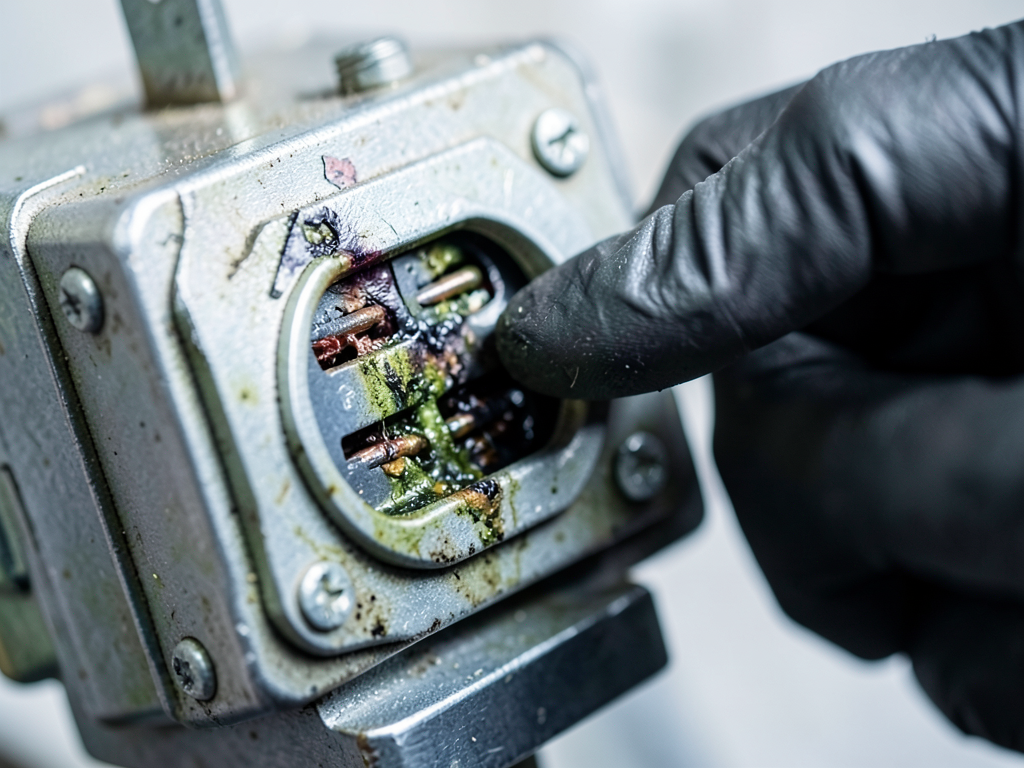
What it means when your Ocoee cooling system starts making a loud clicking sound

What it means when your Ocoee cooling system starts making a loud clicking sound Your outdoor AC unit should hum…

How to tell if your Celebration home builder installed the right size ductwork

How to tell if your Celebration home builder installed the right size ductwork Your Celebration home should feel comfortable year-round.…

Contact Us

Call Summit HVAC Orlando at (321) 463-7979 for a no-pressure consultation and detailed assessment. We provide transparent pricing, honest recommendations, and installations that meet industry standards. Your comfort and long-term satisfaction are our priority.